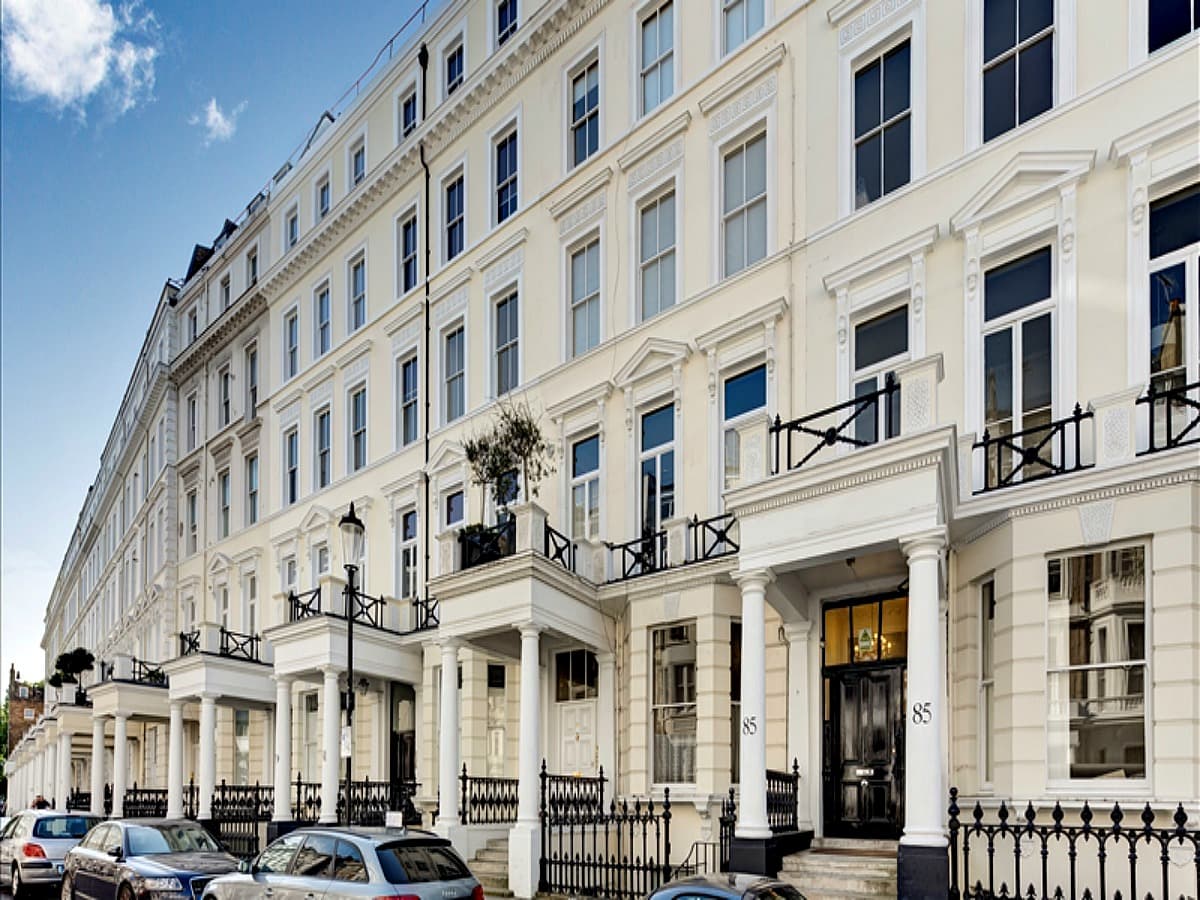
Rebuild cost assessments for UK listed buildings.
RICS rebuild cost assessment for Grade II, Grade II* and Grade I listed properties across the UK.
Why listed buildings are different
Standard rebuild figures do not apply to listed buildings.
A listed building must be reinstated using materials and methods that match the original construction. Lime mortar, hand-made brick, natural slate, oak framing and sash windows all cost considerably more than their modern equivalents, and the work requires specialist contractors whose day rates reflect that.
Any reinstatement also requires listed building consent, which adds professional fees, extends the programme, and in some cases requires Historic England or local authority approval before work can begin. None of this appears in a standard rebuild calculator.
An accurate figure needs specialist construction cost data for historic property, applied by a surveyor who understands what reinstatement of a listed building actually involves. That is what we produce.

Common problems
Where listed building cover goes wrong.
Historic England estimates there are around 500,000 listed buildings in England alone. The majority are insured on figures that have never been independently assessed, leaving owners exposed when they claim.
Standard calculators fall short
Online rebuild calculators and index-linked figures use average construction costs that bear no relation to the specialist labour and materials a listed building requires. The gap between a calculator output and a true reinstatement figure is often 40 to 60 percent.
Insurers ask for a RICS report
Most specialist listed building insurers will not bind cover, or will impose a limit below the true rebuild cost, without a current RICS-regulated assessment. A report from us resolves that at renewal and removes the risk of a disputed claim.

Underinsurance carries a personal liability
If your sum insured is below the true rebuild cost and your insurer applies average, you are personally liable for the shortfall. For a listed building, where rebuild costs are already higher than standard, that shortfall can be substantial.
How we work
A rebuild figure your insurer will accept.
Specialist cost data
We use construction cost indices for traditional and historic materials, not standard residential tables.
RICS-regulated reports
Every assessment meets the standard specialist listed building insurers require for cover.
On-site as standard
Listed buildings need a physical inspection to capture the full specification. We recommend an on-site survey for all listed properties.
Frequently Asked Questions.
Common questions about reinstatement cost assessments for listed, historic, and curtilage listed buildings.
Is a desktop assessment suitable for a listed building?
For most Grade II listed properties, yes. We use specialist construction cost data for historic and traditional materials alongside detailed property records, so a desktop assessment can produce a reliable figure without a site visit. Grade II* and Grade I listed buildings, and properties with unusual construction or significant complexity, usually benefit from an on-site survey. We will advise which approach suits your property when you get in touch.
Why are listed buildings more expensive to rebuild than standard properties?
Listed buildings typically require like-for-like reinstatement using traditional materials and methods: lime mortar, hand-made brick, natural slate, oak framing, sash windows. These cost significantly more than modern equivalents. Any works also need listed building consent, which adds professional fees and can extend the programme. Standard rebuild calculators do not account for any of this, which is why they consistently undervalue listed buildings.
What is curtilage listing and does it affect my assessment?
A curtilage listed building is a structure that sits within the grounds of a listed building and was built before 1948. It is treated as listed by association, even if it is not on the statutory list itself. Outbuildings, barns, walls, and gate piers commonly fall into this category. We include curtilage structures in the assessment where they are present, since they carry the same reinstatement obligations as the main building.
Do I need a specialist insurer for a listed building?
Most listed buildings need a policy from an insurer with experience of historic property. Standard home insurance policies often exclude the cost of reinstating original materials and features, or impose limits that fall well below a true rebuild figure. A RICS-regulated assessment gives your broker an accurate sum insured to place with an appropriate specialist insurer.
How often should I update the assessment?
RICS guidance recommends a full reassessment every three years. For listed buildings, earlier reassessment is worth considering after any significant works, a change of use, or a period of high construction cost inflation, since the gap between a stale figure and the true rebuild cost can open quickly.
Can you assess thatched properties?
Yes. Thatched properties sit within our listed building specialism. We account for the full cost of like-for-like reinstatement of a thatched roof, including the premium on specialist labour and materials, as well as the main structure.
What about VAT on listed building repairs?
Approved alterations to listed buildings were zero-rated for VAT until 2012. Repairs and reinstatement work are now standard-rated at 20%, which must be included in any rebuild cost figure. We account for the correct VAT position in every assessment.